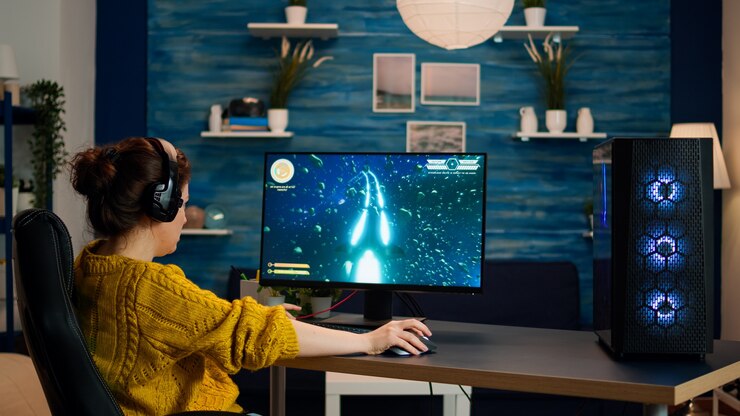
Gaming is no longer just a hobby. Over the last decade, it has evolved into a massive global industry where players compete professionally, stream content, and build communities online. In this growing digital world, the term Gamer Challenger has become increasingly popular among competitive players and esports enthusiasts.
A gamer challenger is more than someone who simply plays video games. It refers to players who constantly improve their skills, compete against others, and push their limits in online gaming environments. Whether it’s ranked matches, esports tournaments, or streaming gameplay, gamer challengers represent the modern competitive gaming mindset.
In this article, we’ll explore what a gamer challenger is, why competitive gaming is growing rapidly, and how players can improve their gaming performance in 2026.
What Is a Gamer Challenger?
A gamer challenger is a competitive player who consistently pushes the boundaries of their skill ceiling, participates in ranked or tournament play, and strives to improve with every session. The term is widely recognized in games like League of Legends, Valorant, Apex Legends, and other competitive titles where “Challenger” represents the highest rank tier achievable.
But beyond rank, a gamer challenger embodies:
- A growth mindset over a fixed one
- Dedication to game sense and mechanics
- Ability to analyze gameplay and adapt strategies
- Consistency in ranked performance and tournament participation
Think of it as the gaming equivalent of going pro. You’re not just playing, you’re competing.
The Challenger Mindset: How Top Gamers Think Differently
One of the biggest differentiators between high-ranked players and everyone else isn’t just mechanics; it’s mental framework. Here’s how challenger-level gamers approach the game:
1. They Review Their Own Gameplay
Elite gamers VOD review their matches the same way professional athletes watch game film. They look for positioning mistakes, decision-making errors, and missed opportunities. Platforms like Medal.tv or built-in replay systems make this easier than ever.
2. They Focus on One Thing at a Time
Rather than trying to fix everything at once, a true gamer challenger isolates a single weakness per session — whether that’s map awareness, cooldown tracking, or resource management. This focused practice delivers faster, measurable improvement.
3. They Use Data to Drive Decisions
Top competitive gamers study win rates, pick rates, patch notes, and tier lists regularly. Sites like OP.GG, Tracker.gg, and FACEIT Analytics give granular data on performance and opponent tendencies.
4. They Build Mental Resilience
Tilt is the enemy of progress. Challenger-level players develop emotional regulation strategies, taking breaks after losses, avoiding blame, and focusing on controllable variables like their own play.
How to Climb the Ranks: A Step-by-Step Roadmap
Becoming a gamer challenger isn’t an overnight process. Here’s a practical, proven roadmap:
Step 1: Master One Game
Before spreading yourself thin, commit to a single competitive title. Depth beats breadth in competitive gaming. Whether it’s Valorant, Counter-Strike 2, Street Fighter 6, or Fortnite, specialization accelerates rank progression.
Step 2: Learn the Meta
Every competitive game has a current meta — the most effective tactics and character choices available. Follow pro player streams, official patch notes, and YouTube content creators who specialize in meta analysis. Staying meta-aware gives you a built-in strategic edge.
Step 3: Grind Fundamentals Daily
Set aside 30–60 minutes daily for mechanical practice. This means:
- Aim training in tools like Aim Lab or KovaaK’s (for FPS games)
- Custom game drills for combo execution (for fighting games)
- Last-hitting practice in isolation (for MOBAs)
Fundamentals done consistently compound into elite-level performance over weeks.
Step 4: Play with Better Players
Seek out scrimmages, FACEIT lobbies, or Discord communities where higher-ranked players practice. Exposure to better gameplay forces adaptation and accelerates skill development faster than solo queue alone.
Step 5: Track Your Progress
Use spreadsheets, apps, or gaming stat platforms to log your rank, win rate, and improvement areas weekly. Goal-setting backed by data keeps motivation high and direction clear.
Best Games to Achieve Challenger Status in 2026
If you’re looking to pursue a real “Challenger” rank or competitive standing, these titles offer the most structured competitive ladders:
1. League of Legends — The original home of the Challenger tier. Requires extreme consistency, macro play, and champion mastery to break into the top 300 players per server.
2. Valorant — Riot’s tactical shooter with a Radiant rank equivalent to Challenger. Demands precise aim, communication, and map control.
3. Apex Legends — Battle royale with a Predator rank system. High emphasis on movement mechanics and team coordination.
4. Chess.com / Online Chess — Yes, chess qualifies. The 2700+ rating range is where challenger-level thinking truly separates elite players.
Esports Opportunities for Gamer Challengers
Reaching challenger level opens doors beyond just bragging rights. In 2025, competitive gaming offers:
- Streaming income through Twitch and YouTube monetization
- Esports team tryouts via platforms like Challengermode and ESL Play
- Gaming scholarships at universities are now offering esports programs
- Content creation opportunities challenger gameplay attracts audiences hungry for high-level analysis
- Coaching income: top-ranked players monetize their knowledge by coaching to lower-ranked players on platforms like Gamer Sensei or ProGuides.
The competitive gaming economy is real, and reaching challenger status positions you as a credible authority within it.
Common Mistakes That Stop Gamers from Reaching Challenger
Even talented players plateau because of avoidable habits:
- Blame culture — Blaming teammates instead of analyzing personal errors halts growth
- Ignoring fundamentals — Chasing flashy plays while neglecting core mechanics creates a leaky foundation
- Inconsistent schedule — Sporadic play prevents the habit loops required for skill retention
- Playing on tilt — Emotional decisions lead to poor game choices and rank decay
- Skipping the review phase — Playing without reflection means repeating the same mistakes indefinitely
Recognizing these patterns early is what separates those who plateau at Silver from those who eventually hit Challenger.
Final Thoughts: Is the Gamer Challenger Journey Worth It?
Becoming a gamer challenger demands commitment, self-awareness, and resilience. It won’t happen by accident — but it will happen with the right system. Start by mastering fundamentals, tracking your growth, surrounding yourself with better players, and treating every session as a learning opportunity rather than just a win-or-lose scenario.
The challenger path isn’t just about reaching a rank. It’s about becoming the kind of player, thinker, and competitor who earns that rank — and that version of yourself is worth pursuing.
Start your challenger journey today. The ladder is waiting.
Frequently Asked Questions (FAQs)
Q1: How long does it take to reach Challenger rank?
Ans: It varies by game and starting level, but most dedicated players who practice daily and study consistently can reach high-diamond to challenger-adjacent ranks within 6–18 months of focused effort.
Q2: Do I need expensive gaming gear to compete at a challenger level?
Ans: Not necessarily. While a good monitor (144Hz+), low-latency mouse, and stable internet help, challenger-level players emphasize that mindset and practice matter far more than equipment — especially at the start.
Q3: Can I become a professional esports player by reaching Challenger?
Ans: Challenger rank is a strong qualifier, but not the only requirement. Teams also evaluate teamwork, communication, coachability, and consistency under pressure. Many pros were challenger-tier players who additionally showcased their skills through streaming or tournament performance.
Q4: Which game is easiest to reach Challenger in?
Ans: No competitive game makes it “easy,” but newer esports titles or less-saturated regional servers sometimes have smaller challenger pools. However, titles with smaller player bases also offer fewer opportunities post-achievement.
Q5: What is the difference between a “gamer” and a “gamer challenger”?
Ans: A gamer plays for enjoyment. A gamer challenger plays with competitive intent, tracks improvement, studies the game strategically, and actively works toward ranking or tournament goals.